You spot a coffee drip in the hallway, grab a spray bottle, and scrub. It looks great while it's wet. Two days later, the spot has dried to the color of old newspaper. That isn't dirt coming back. It's chemistry, and in Arizona the chemistry works against you from the moment you turn on the tap.
This guide was shaped with insights from Mr Clean Carpet Care, a Scottsdale team whose daily work in desert homes shows how water and cleaner choices play out on real carpet fibers.
Phoenix-area water is some of the hardest in the country. It carries a heavy load of calcium and magnesium and often sits on the alkaline side of neutral, which quietly shapes how water, soap and fibers interact in every desert home. When a cleaner mixed with that water dries in your carpet, the water leaves. The minerals and the cleaner stay behind.
What Dried Minerals Do to Fibers
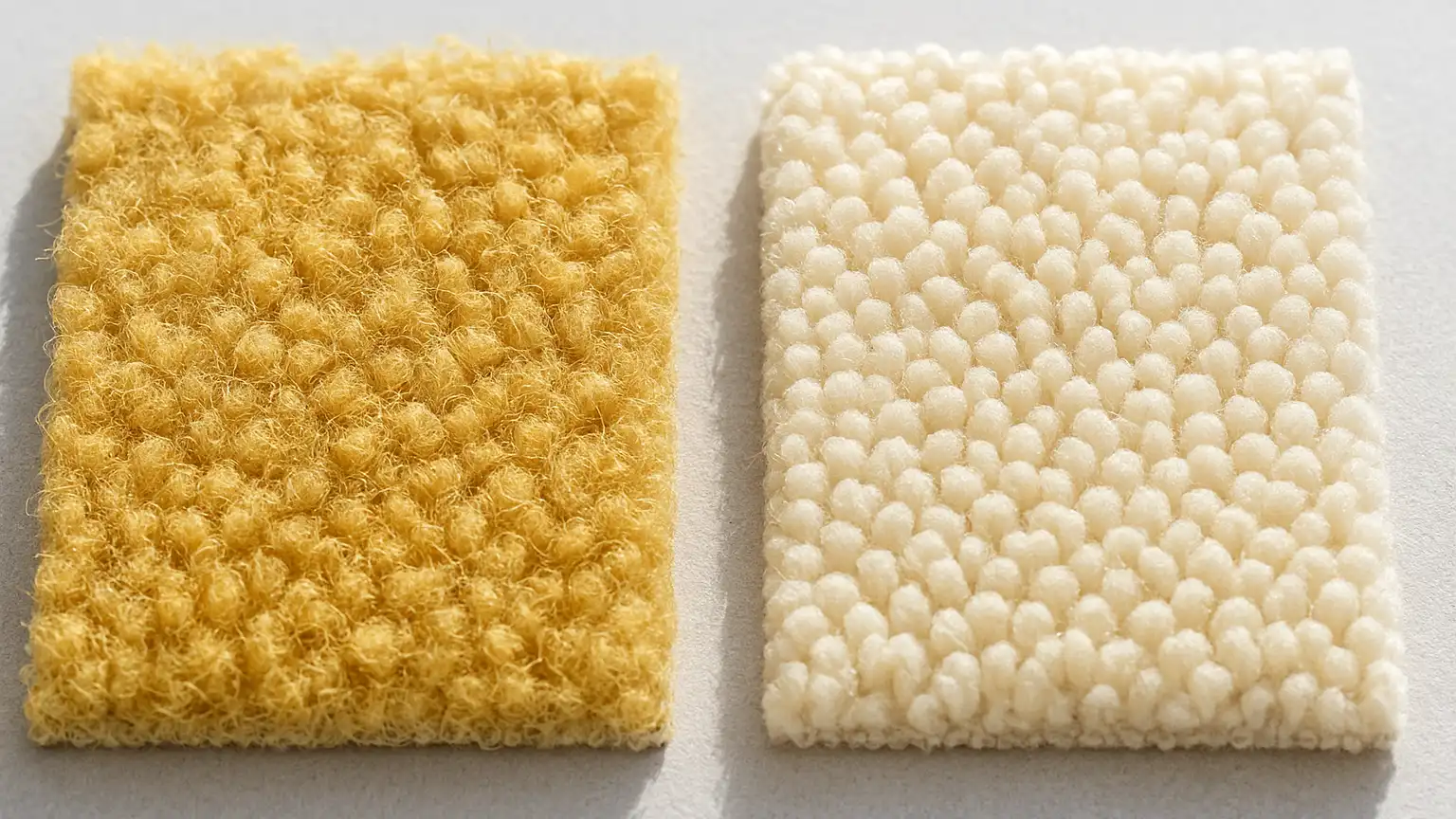
- Stiffness: Fibers feel crunchy instead of soft, especially in spots you cleaned by hand.
- Dullness: A thin mineral crust scatters light, so the carpet looks flat and tired.
- Yellow or brown tint: Alkaline moisture pulls color up from the backing as it dries.
- Faster soiling: Rough, coated fibers catch and hold dust from every footstep.
The same mineral load leaves those pale rings after a spill dries, which is why desert water stains often take more than plain water. Our guide to removing water stains walks you through it step by step.
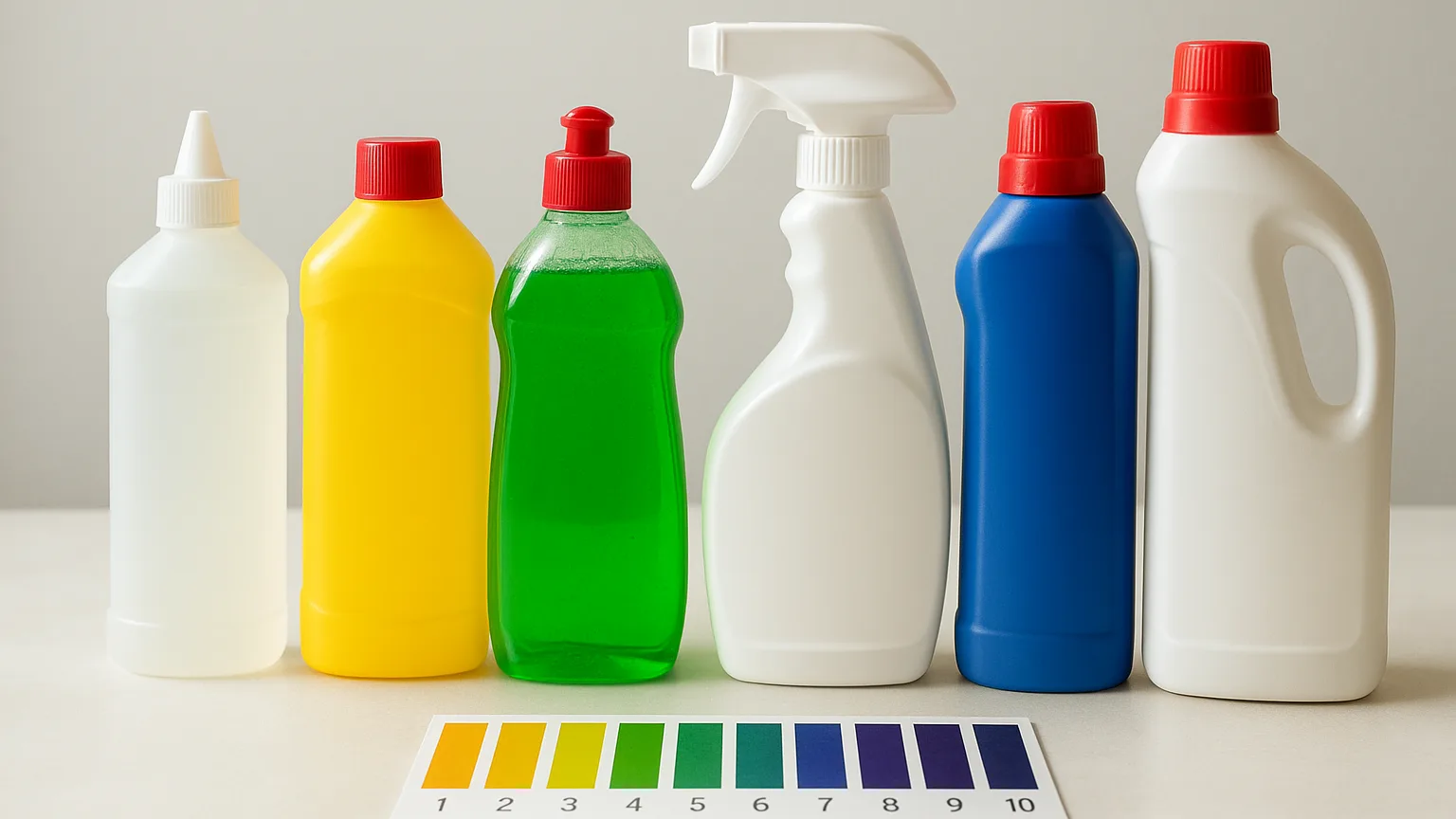
The pH scale runs from 0 to 14. Seven is neutral, like pure water. Below 7 is acidic; above 7 is alkaline. Each step is about ten times stronger than the one before, so a cleaner at pH 11 is far harsher than one at pH 9, not just a little.
Here is roughly where common products land:
- White vinegar: about 2.5 to 3 (strong acid for a kitchen item)
- Professional carpet rinse: about 4 to 5 (mild acid)
- Valley tap water: often 7.5 to 8.5 (slightly alkaline)
- Many store-bought spot sprays: about 9 to 11
- Oxygen boosters: about 10 to 11
- Household ammonia: about 11 to 12
- Bleach: about 12 to 13
Where the Damage Starts
Wool and silk are protein fibers, much like your hair. Push them much past pH 8.5 and they swell, lose strength, and shift color. Nylon, the most common carpet in Arizona homes, holds up better, but its dyes can fade or bleed above 10. Polyester shrugs off most pH swings, yet still yellows when residue bakes in a sunny room.
The bigger issue is what high pH does as it dries. Alkaline moisture wicks into the backing, picks up natural tannins and dirt, then travels back up to the fiber tips. That's why a spot looks clean wet and brown dry. Many off-the-shelf sprays also contain optical brighteners, which can yellow under strong Arizona sunlight.
“Most of the yellowing we get called out for isn't a stain at all. It's a high-pH cleaner that was never rinsed, sitting in hard water minerals,” says Daniel Reyes, senior cleaning technician at Mr Clean Carpet Care.
That matters before you make a big decision. When homeowners weigh carpet cleaning vs. new carpet, a yellow, crunchy floor often looks ruined when it really just needs the right chemistry and a proper rinse.
Good cleaning is a balancing act. Match the cleaner to what the carpet is made of and what kind of mess is on it, then bring the carpet back toward neutral before you walk away.
Know Your Fiber First
Check the label under a closet edge or your purchase records. Wool or a wool blend calls for mild, near-neutral cleaners. Nylon and polyester give you more room, but never leave a strong alkaline cleaner sitting in the fibers.
Then Read the Soil
- Greasy or body soils (kitchen traffic, couch fronts) lift best with a mild alkaline cleaner, the same gentle approach that helps you get powder makeup out without grinding it deeper.
- Mineral crust, rust, and tannin browning respond to a mild acid.
- Aging pet urine turns alkaline over time, so harsh alkaline sprays make it worse. Learning to protect carpet from dog urine early saves a lot of fiber damage.
A Simple Kitchen Test
A pack of pH test strips costs a few dollars. Dip one in your spot spray to see where it lands. To check a spot you already cleaned, dampen it with distilled water, press a strip into it, and read the color. Anything above 9 means residue remains. Blot with a little distilled water and a splash of white vinegar, then blot dry with towels. Distilled water for the final rinse keeps fresh minerals out.
Choosing the right product for each spill gets more specific once you understand the enzyme or oxidizer choice, and anything you use builds up as leftover cleaning residue if it isn't rinsed out. The most common culprit sits right next to your kitchen sink, which is exactly why dish soap backfires on carpet once dusty storm season rolls in.
The Color of Your Carpet Is a Chemistry Report
That yellow haze, the crunchy patch, and the spot that keeps coming back are all clues. Arizona's hard, alkaline water leaves minerals behind, and strong store-bought cleaners push fibers far past the pH they were built to handle. When the two dry together, carpet dulls, browns, and weakens long before it truly wears out.
The fix starts with balance: know your fiber, match the cleaner to the soil, test with a cheap strip, and always rinse back toward neutral with clean water. Get that right, and every spot you treat will look better dry than it did wet, which is exactly how clean carpet should behave.