The Chemistry Under Your Feet: Why Carpet Cleaning Works or Backfires in Arizona Homes
Most carpet trouble in Arizona homes does not start with dirt. It starts with a good intention: a spray bottle, a squirt of dish soap, a quick scrub. The spot looks clean while it's wet. Then it dries yellow, turns gray in a week, or comes back darker than before. This series explains why that happens.
Inside this series
Why Phoenix-area hard water can leave minerals in carpet that dull or yellow the fibers
How dish soap surfactants cling to carpet and pull in fine desert dust
Which stains need an enzyme and which need an oxidizer, and why speed matters
How cleaning residue causes fast re-soiling and what a proper rinse removes
The Chemistry Under Your Feet is for homeowners, renters, and pet owners across the Valley who clean their own spots and want them to stay gone. You don't need a science background. Each part takes one piece of carpet chemistry, shows what it does to real fibers, and turns it into a simple choice you can make at home.
The series follows the problem in the order it usually unfolds, from the water you mix with to the residue left behind. Field insight from Mr Clean Carpet Care, a Scottsdale team that works in desert homes every day, helped shape the examples throughout.
Start With the Water in Your Tap
Your Tap Water Is Part of the Cleaning Formula
Every cleaner sits somewhere on the pH scale, from acidic to alkaline. Carpet fibers have a comfort zone on that scale. Push too far toward alkaline and fibers can dull, yellow, or weaken over time.
Phoenix-area water makes this harder. It is some of the hardest water in the country, heavy with calcium and magnesium, and it often leans alkaline. When a cleaner mixed with that water dries, the water leaves but the minerals stay. That is why matching pH to the fiber and the soil comes first. Everything else in the series builds on it.
Signs your water and cleaner are working against you:
A treated spot dries a shade of yellow or tan
Carpet feels stiff or crunchy after cleaning
Colors look flat in the areas you clean most
Why Soap Turns Into a Dust Magnet
Dish soap seems like the gentle choice. On carpet, it stays that way for about a day. Soap is made of surfactants, tiny molecules that grab grease on one end and water on the other. In a sink, you rinse them away. In carpet, most of them stay put.
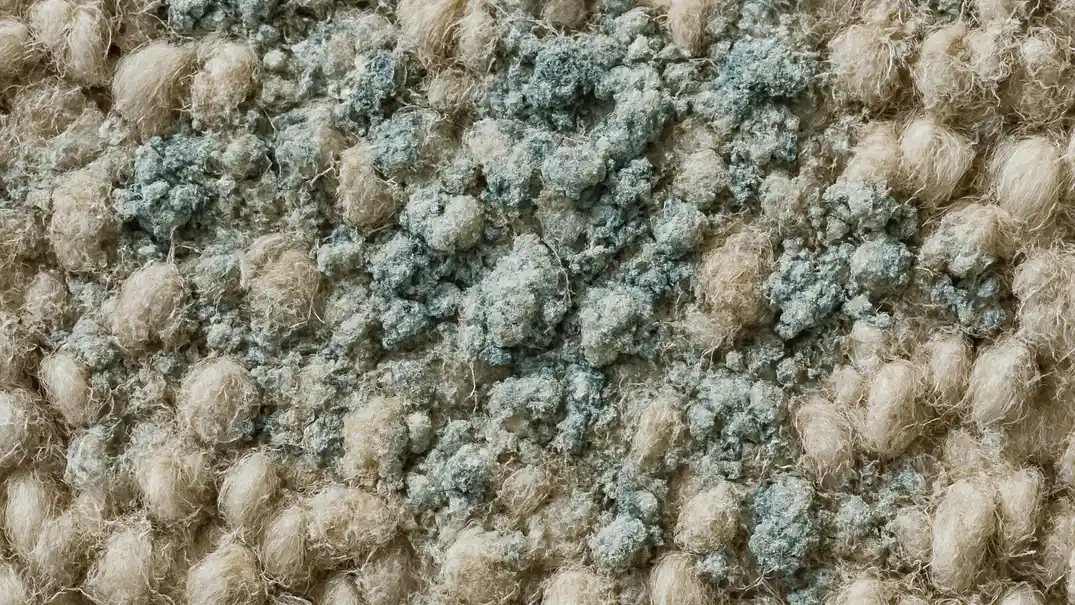
What stays behind is a thin, sticky film. In Arizona, that film has plenty to catch. Monsoon storms push fine dust and mud indoors, and the soapy patch grabs it. The result is a spot that looks great on day one and worse by week three, often spreading wider than the original stain.
Matching the Stain to the Right Chemistry
Once soap is off the table, the next question is what to use instead. The answer depends on what made the stain.
The Food Family Needs Enzymes
Pet urine, vomit, food, and other organic spills are built from protein and starch. Enzymes break those materials down, almost like digesting them, so they can be lifted out.
The Color Family Needs Oxidizers
Wine, coffee, tea, and juice leave dyes and tannins that tint the fiber. Oxidizers break apart those color molecules so the tint fades. Use the wrong tool, or wait too long, and the stain can lock in for good.
The Leftovers That Pull Dirt Back In
Every product you spray on carpet leaves something behind. Soap, high-pH cleaners, and spot sprays that never get rinsed out build into a layer you can't see but your carpet can feel. That layer attracts dirt, which is why freshly cleaned carpet sometimes looks dingy within weeks.
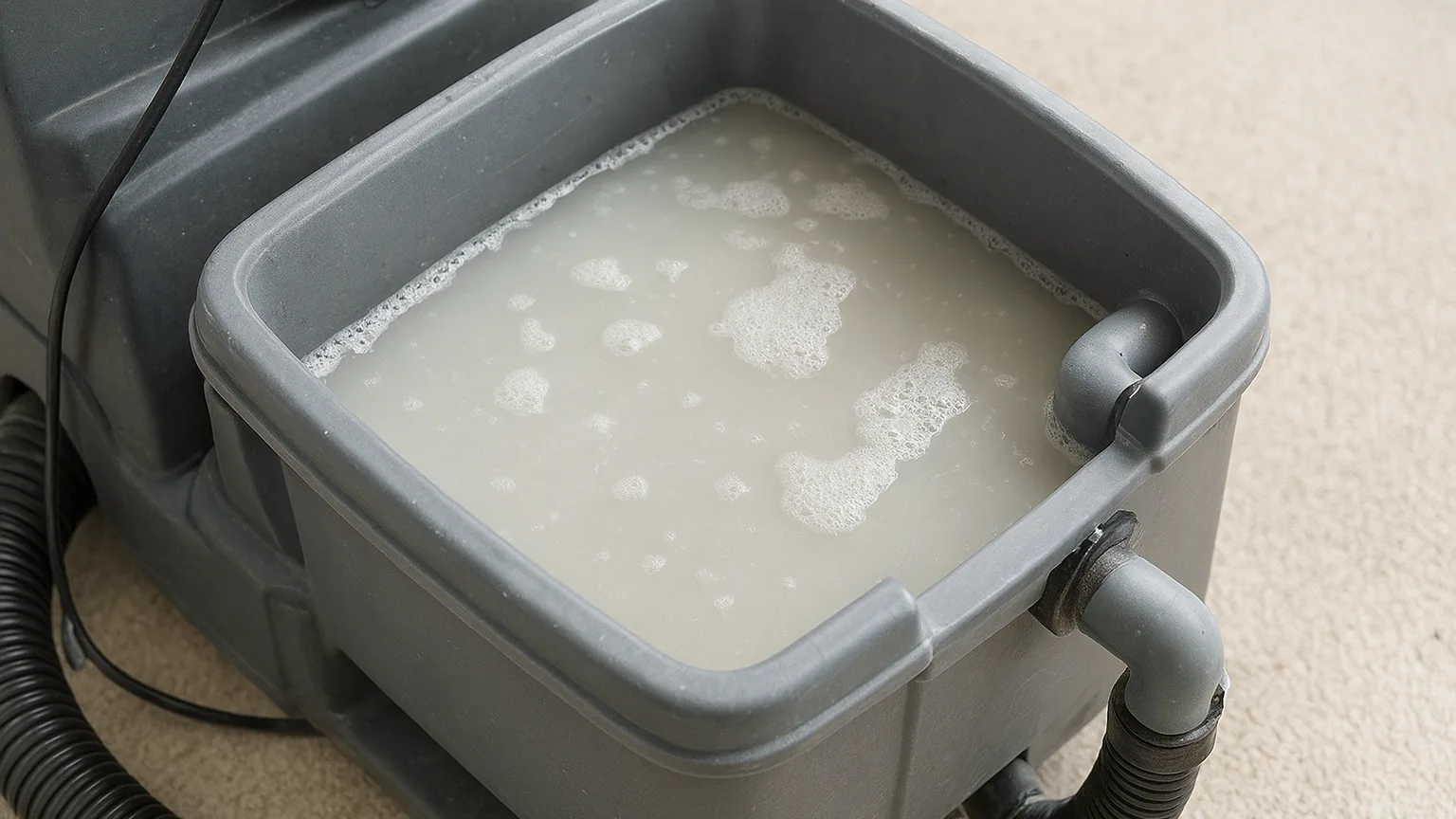
The final stretch of the series ties the earlier lessons together. It shows how proper rinsing and professional extraction pull residue out of the fibers, resetting the carpet so it stays clean longer, right when holiday guests start walking through the door.
Where to Begin Reading
If you want the full picture, start with the first part and read in order. Each one builds on the one before it, and the pH basics make the later lessons click faster.
If you have a problem right now, jump to the part that fits. A fresh pet accident points to the stain chapter. A spot that keeps coming back points to the residue chapter. Either way, you'll leave knowing why your last cleaning worked or backfired.
Get updated expert advice delivered straight to your inbox.
Thank you! Your submission has been received!
Oops! Something went wrong while submitting the form.
The Chemistry Under Your Feet: Why Carpet Cleaning Works or Backfires in Arizona Homes
Your carpet spot looked clean, then turned yellow or gray. Here is the plain chemistry of pH, soap, stains, and residue in Arizona homes, and how to fix it.
Strip Dirt-Grabbing Carpet Residue Before Winter Guests Walk In
Carpet looks clean, then turns gray in two weeks? Hidden soap and cleaner residue is pulling in dust. Here's how to find it and rinse it out before guests arrive.