Getting the pH right is the first step. If you read about how hard water and harsh cleaners can yellow carpet fibers, you already know a cleaner can quietly work against you. The next trap sits right by the kitchen sink. Dish soap seems gentle, cheap, and safe. On carpet, it stays that way for about a day.
Soap residue, pH and Arizona's mineral-heavy tap water all trace back to the same chemistry, and knowing why cleaners help or hurt carpet makes the next mistake easier to spot before it turns into a stain.
The advice here was shaped with help from Mr Clean Carpet Care, a Scottsdale team that sees the results of DIY soap jobs every summer. Their field experience shows the same pattern again and again. The spot looks great on day one and looks worse than ever by week three.
The Sticky Science of Surfactants
Dish soap is made of surfactants. One end of each tiny molecule grabs grease. The other end grabs water. In a sink, that pair works great because you rinse everything down the drain. In carpet, you can't rinse that well. A spray bottle and a towel leave most of the soap behind.
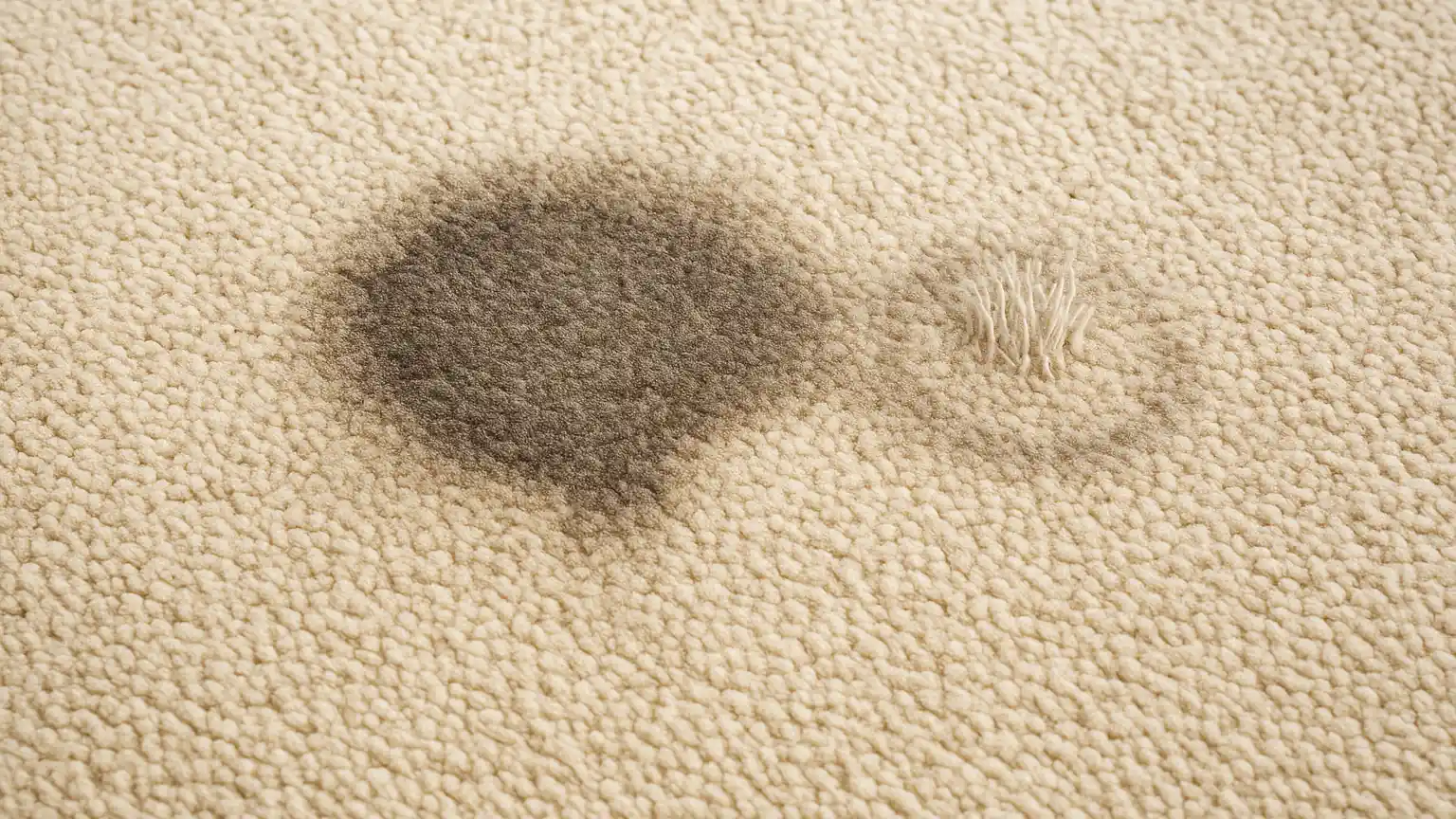
Once the water dries, the soap does not vanish. It dries into a thin, tacky coat on each fiber. That coat still wants to grab oily things. The next things it finds are your feet, your dog's paws, and the dust floating through the house.
Many dish soaps also carry lotions, scents, and dyes. Each one adds more sticky material. Some formulas also lean alkaline, which can nudge fibers toward a dull, tired look.
Why Monsoon Season Makes It Worse
Arizona's monsoon brings dust walls, sudden rain, and mud on every shoe. Haboob dust is finer than flour. It slips through door gaps and window seals and settles on every surface, working its way into upholstered sofas and chairs as easily as carpet. A soapy patch of carpet acts like flypaper for it.
Then the rain hits. Wet soil from patios and yards gets tracked inside, and anyone who has tried removing water stains from carpet knows muddy water loves to leave rings. On a soap-coated spot, that mud sticks harder and spreads wider. A small fix becomes a big gray patch.
Fresh residue is hard to see. It gives itself away over time. Look and feel for these clues:
- A darker spot where you cleaned, compared to the carpet around it
- Stiff or crunchy fibers that don't spring back
- A tacky feel under bare feet
- A gray halo that keeps growing past the first stain
- Fast re-soiling just days after you cleaned
- A faint soapy smell when the area gets damp
Here is a quick test. Wet a white cloth with plain warm water. Press it into the spot for a minute. Then squeeze the cloth over a clear glass. Bubbles or cloudy water mean soap is still in the fibers.
A Better Plan for Monsoon Messes
When mud or a spill lands, skip the bottle under the sink. Follow this order instead:
- Let mud dry fully, then vacuum it up. Wet mud just smears.
- Blot liquid spills, the same first move used when removing water stains from carpet. Never scrub, since scrubbing frays fibers.
- Use a carpet spotter labeled low-residue, and use less than you think.
- Rinse the area with plain water after any spotter.
- Blot dry with a folded towel and press down with your weight.
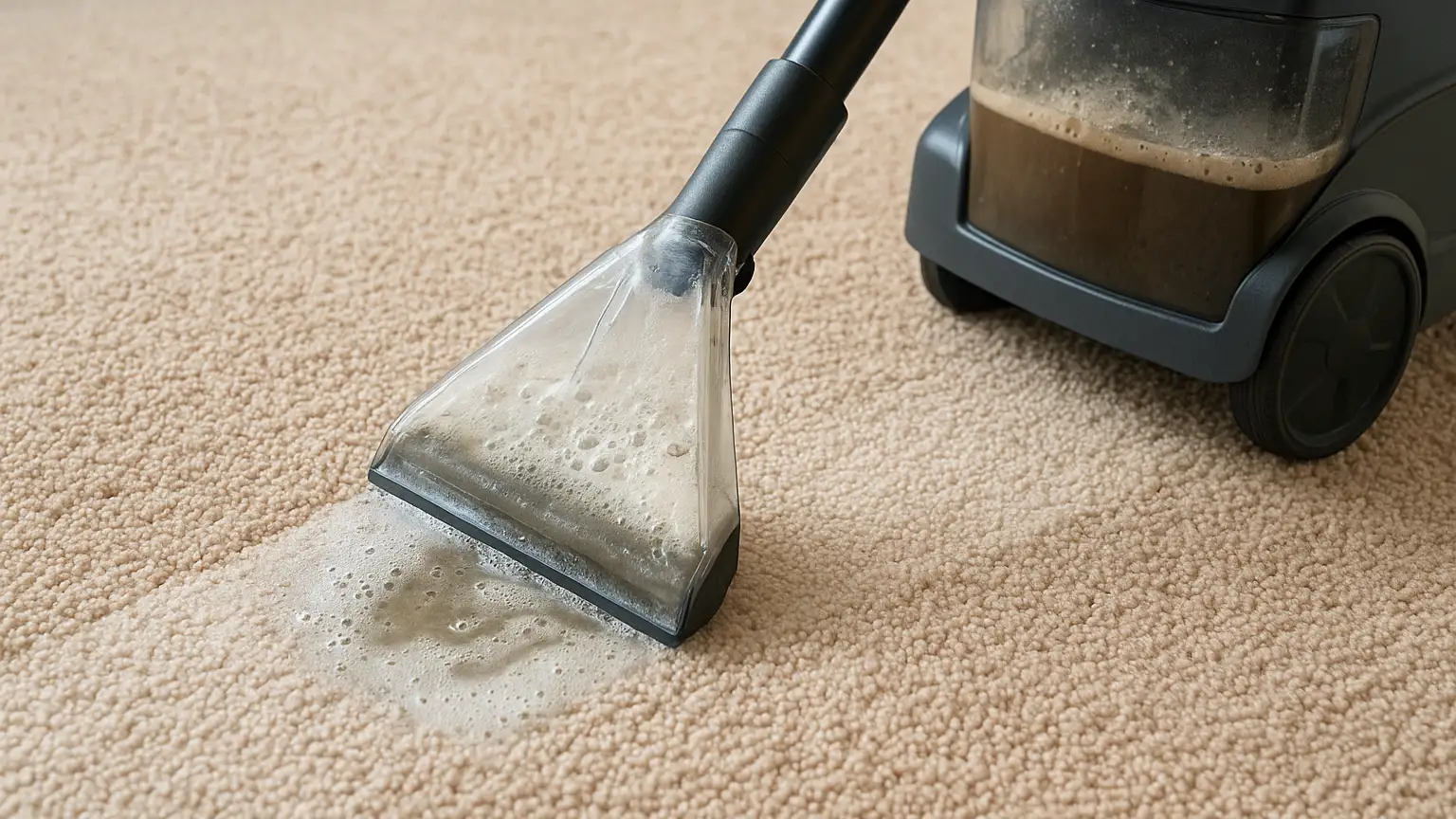
Pros push the rinse step even further. Commercial crews rely on hot water extraction because it pulls cleaner back out, which is a big part of how hotels clean carpets so often without them turning gray.
The same sticky problem shows up on fabric furniture. Couches near entry doors catch monsoon dust too, and soap on cushions grabs grime just like it does on carpet, so cleaning upholstered furniture safely follows the same rinse-first rule.
Don't panic, and don't add more soap. The answer is rinsing, not scrubbing. The approach Mr Clean Carpet Care takes on these jobs centers on flushing residue out instead of covering it with another product.
At home, start with plain warm water. Blot it in, then blot it out with a dry towel. Repeat five or six times. For stubborn film, mix one part white vinegar with three parts warm water. Its mild acid helps loosen the soap. Test a hidden corner first, then finish with one more plain water rinse.
Dry the spot fast. Monsoon humidity slows drying, and a damp carpet pad can start to smell sour. Point a fan at the area and open a window if the air outside is dry. Steps to prevent mold and mildew matter most during these sticky weeks.
If the patch keeps coming back after a few rinses, the soap has likely soaked into the backing. A home towel can't reach that deep. Professional extraction can.
Some messes aren't just dust and mud, though. Pet accidents, spilled coffee, and dropped food break down differently, and picking the right match between enzymes and oxidizers early can decide whether those stains lift out or set for good.
Let the Storm Pass, Not the Soap
Dish soap works in the sink because water carries it away. In carpet, it stays behind as a tacky film that grabs the fine dust and tracked-in mud that monsoon season brings. That is why a spot you cleaned turns gray, grows a halo, and looks worse within weeks. Spotting the signs early, from stiff fibers to suds in a rinse test, tells you when residue is the real culprit.
The better path is simple. Let mud dry and vacuum it, blot instead of scrub, use a low-residue carpet spotter, and always rinse with plain water. If soap is already in there, rinse it out patiently and dry the area fast. And when the gray patch keeps coming back, a deep professional rinse resets the fibers so your carpet can face the next dust storm clean.